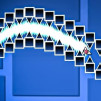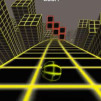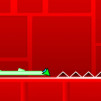
Have you ever wondered how quickly your brain can process information under high pressure? Color Rush is a rigorous test of visual recognition and hand-eye reflexes.
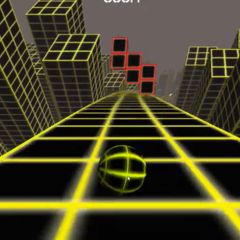
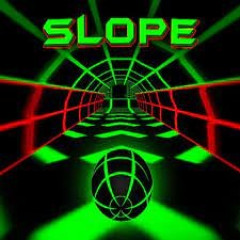
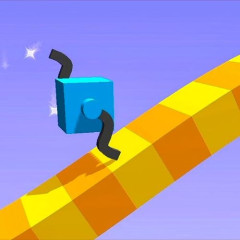
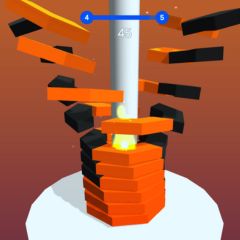
Many people mistakenly think Color Rush is similar to Slope or Tunnel Rush. However, the core of its appeal and difficulty lies in Visual Pressure.
To achieve a high score in Color Rush, you need to master three fundamental pillars of gameplay:
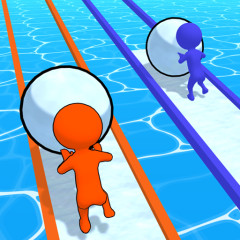
The game requires you to synchronize your character's color with the lanes or gates you pass through. A split-second deviation in color means the end of the level. This creates a "Flow" state, where your eyes and hands must work as a unified machine.
The biggest mistake new players make is overcorrection. In Color Rush, moving through too many lanes at once will disorient you as the speed increases. Learn to tap and release the controls gently to keep your character in a proactive position.
The further you progress, the faster the game becomes. At this point, you no longer have time to think. You must rely entirely on Pattern Recognition to predict obstacles before they actually appear clearly on the screen.
Feature Comparison: Color Rush vs. Top Competitors
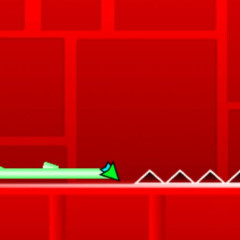
| Feature | Color Rush | Color Tunnel | Geometry Dash |
| Primary Focus | Color Recognition | Optical Illusions | Rhythm and Timing |
| Core Challenge | Visual Processing Speed | Spatial Awareness | Music Syncing |
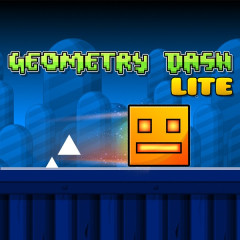
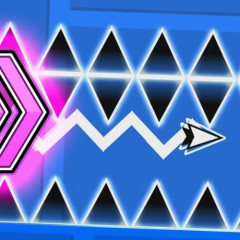
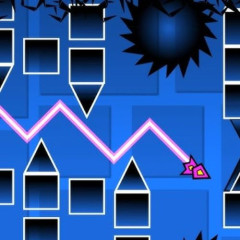
| Movement Style | Rapid Lane Switching | Tunnel Navigation | Platform Jumping |
When the screen starts to fill with color and the speed increases to its limit, panic reactions are very likely to occur. Apply the following strategies:
Instead of staring at the character, direct your gaze to the furthest point of the track. This gives you a precious 0.5 seconds to prepare for the next lane change.
Don't glance around too much. Practice using peripheral vision to sense color changes in neighboring lanes.
When feeling overwhelmed (sensory pressure), maintain steady breathing. Calmness is key to maintaining accuracy with each keystroke.
Visual overload often occurs when the game speed reaches its limit. The key is to focus on the horizon instead of looking at the character. This gives the brain more time to perform obstacle reading and make more accurate lane-changing decisions.
In Color Rush, moving too early or too late leads to failure. Decision timing is the skill of identifying the golden moment to change lanes, helping you avoid overcorrection and maintain stability as the game pace increases.
Yes. The game is designed as an exercise in visual reaction. Training in color recognition and reaction under visual pressure enhances brain flexibility and peripheral focus in high-speed activities.