Curve Rush


















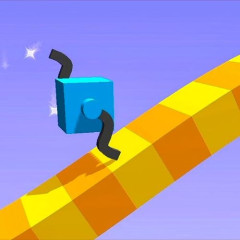

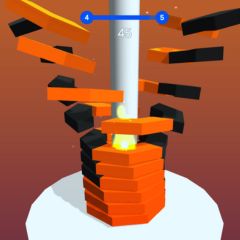
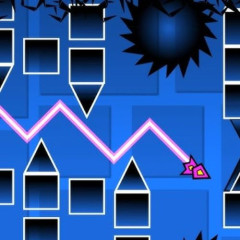


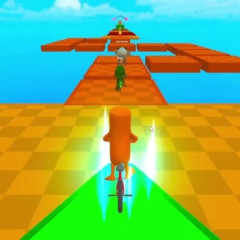

Master Curve Rush with pro physics tips! Learn to control momentum, ace your landing angles, and smash the 10,000-point mark. Crushing the slopes starts here!
Basic Curve Rush Gameplay Mechanics
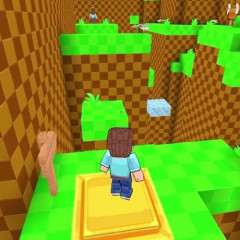
The game has a minimalist control mechanism, but it's difficult to fully master. Most beginners make the mistake of holding the button too long, which destroys momentum during uphill movement. Learning when to release is far more important than simply trying to move faster. If you've played Space Waves 3D, you'll recognize that mastering the "flow" of physics is the secret to survival.
- Controls: Use the mouse or the Up Arrow key.
- Accelerate: Press and hold to keep the ball close to the ground when going downhill. This helps build momentum.
- Fly High: Release the button at the right moment at the top of the slope to send the ball flying into the air.
- Landing: Try to land parallel to the slope to avoid losing speed or causing an accident.
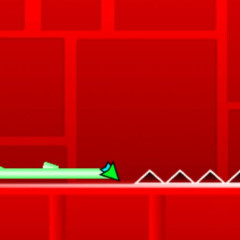
One useful habit is to make shorter jumps early in a run. Much like navigating the neon obstacles in Geometry Dash Lite 3D, precision beats power every time. Lower jumps usually make it easier to recover speed and prepare for the next terrain pattern.
Tips for Achieving Record Scores
To reach the top of the leaderboard, just knowing how to control isn't enough. You need to apply the following strategies:
- Utilize Micro-Jumps: Instead of flying as high as possible, gentle taps help maintain stable speed. This is essential when encountering terrain with many short, continuous slopes - a challenge similar to the intense speed found in Slope 2.
- Adjust Landing Angle: This is the most important technique. If you land perpendicular to the ground, the ball will stall. Always adjust so the ball lands along the curve.
- Identifying Terrain Patterns: Memorizing slope patterns helps you react before the ball hits. Anticipating these transitions is key, especially for players who enjoy the high-reflex gameplay of Extreme Run 3D.
Advanced Survival Strategies
As the game speed increases, overreacting becomes your biggest enemy. Small, controlled inputs are safer than aggressive movements. For those used to the rapid-fire clicking of Geometry Dash Spam 3D, you must learn to "slow down" your reaction timing to match the physics of the curves.
Another important strategy is learning how to recover after a bad landing. Instead of immediately attempting a huge jump, use one or two smaller downhill movements to rebuild momentum gradually. This makes long runs much more stable.
Many high-score attempts also fail because players focus directly on the ball. Looking slightly ahead of the terrain helps you prepare for upcoming gaps and steep curves earlier, especially during faster sections.
Common Mistakes to Avoid
- Holding the button for too long: This causes the ball to cling too tightly to the slope even when going uphill, severely reducing speed.
- Flying too high without observing the landing point: You are very likely to fall into obstacles or pits if you don't calculate the trajectory beforehand.
- Panicking at high speed: As the game speeds up, maintain your breathing and make decisive mouse clicks.
Another common mistake is trying to recover instantly after losing momentum. Sudden panic jumps often make the situation worse and lead to unavoidable crashes.
FAQs
How do I gain speed faster in Curve Rush?
The best way to build speed is to stay low while moving downhill. Hold the control button to keep the ball close to the slope, then release before going uphill so you don't lose momentum.
Why does the ball suddenly explode or stop?
This usually happens because of a bad landing angle. Landing flat or directly against a steep slope kills your momentum instantly. Try to land along the curve of the downhill surface instead.
What’s the best strategy for reaching 10,000 points?
At higher speeds, reaction time becomes more important than precision. Instead of staring at the ball, focus slightly ahead of the track so you can prepare for upcoming slopes and earlier gaps.
Why do experienced players avoid jumping too high early in a run?
Large jumps may look impressive, but they are risky because you can easily lose momentum on landing. Smaller jumps are usually more efficient for maintaining consistent speed during long runs.
Is Curve Rush more about reflexes or rhythm?
Both matter, but rhythm becomes increasingly important during longer runs. Players who learn the timing of slopes and landing recovery usually survive much longer than players who rely only on fast reactions.