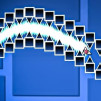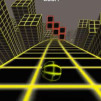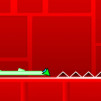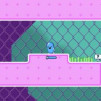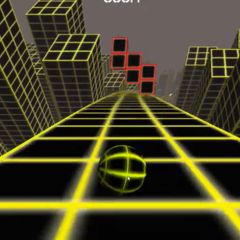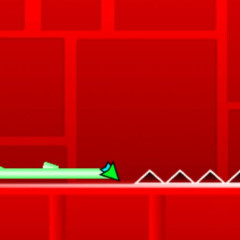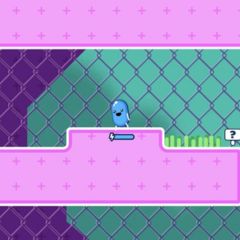
Think you've mastered rhythm games? Trigonometry Dash challenges you with pixel-perfect jumps, manual movement, and brutal backtracking puzzles. Play it now!
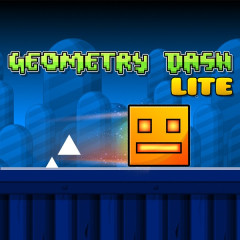
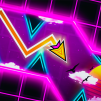
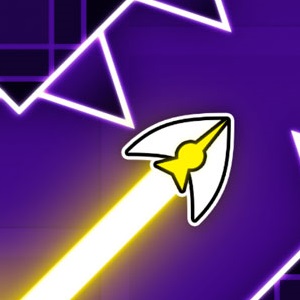
Trigonometry Dash is an ambitious fan-game project inspired by the legendary Geometry Dash Lite. But don't call it just a clone. This game earned its spot in the community by launching a free-movement system - something players had to wait years for in the official series. If you've ever played Space Waves, you'll know how satisfying it is when the music and movement finally click.
Trigonometry Dash is a fan-made rhythm platformer. While it looks like the classic series, its real claim to fame is getting Platformer Mode right before anyone else.
Instead of the usual "forced-run" style, this game lets you actually drive your character left and right. What’s cool is that this feature came out way before update 2.2, making Trigonometry Dash a pioneer, not just another copycat. It’s a huge step up in control, much like the jump in difficulty you'll find in Geometry Dash: Zrist.
The project was started by Majimellow. After the original creator moved on, the game stayed alive thanks to modders like deamlinx and EdelfQ. This team effort from the community has kept the game feeling fresh and different from the standard Geometry Dash experience.
The biggest change here is that you're no longer stuck on a rail. Unlike the spooky atmosphere of Geometry Dash Horror, the tension here comes from the controls:
While the game retains classic icons, the execution is significantly more punishing:
Platformer mode not only changes movement but also opens up space for more complex level designs:
No. This is a completely independent fan-game project developed by the community (initiated by Majimellow). Although inspired by Geometry Dash, it is not owned or managed by RobTop Games.
The core difference is the Platformer Mode. While the original (before 2.2) forced you to constantly run forward, Trigonometry Dash allows you to stop, move backward, and explore the level like a true platform adventure game.
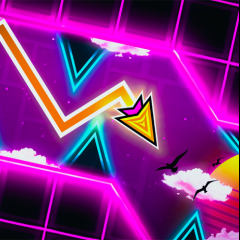
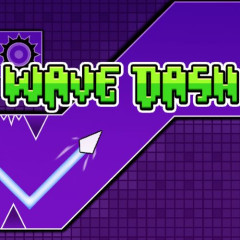
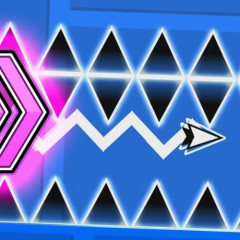
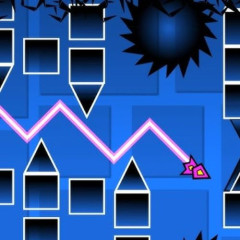
The name comes from the movement trajectory of the Wave mode. The zigzag paths created by pressing and releasing keys accurately simulate the graphs of trigonometric functions like sine and cosine. This is a clever play on words by the developers.